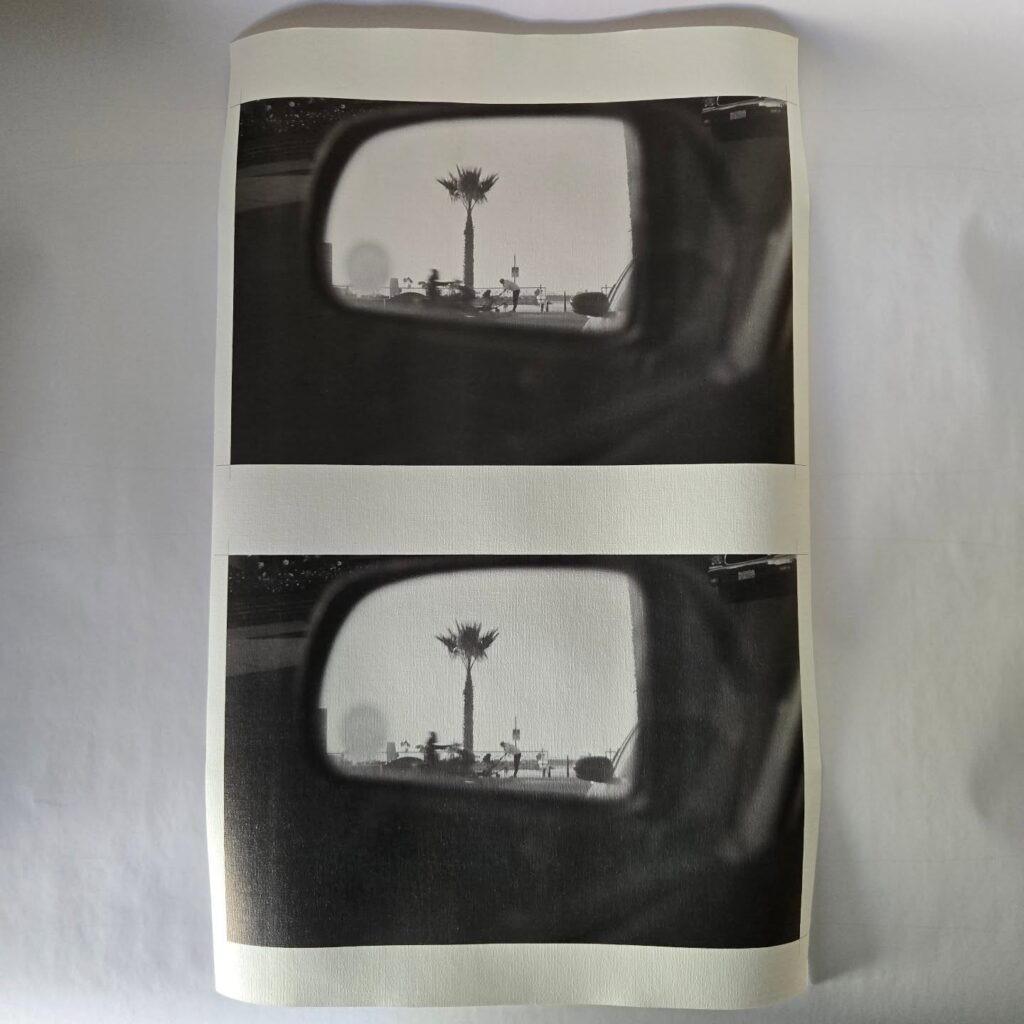
In the hushed halls of museums and the careful climate control of prestigious collections, a single word carries profound weight: “archival.” For artists, galleries, and serious collectors, this term is far more than a marketing flourish; it is a binding commitment to longevity. It is the science and artistry of defying time itself, ensuring that the vibrancy of a print today remains for the eyes of future generations. This promise hinges on a deliberate synergy of materials a marriage of stable paper, permanent inks, and honest chemistry.
The foundation of any enduring print is its paper. Ordinary wood-pulp papers contain lignin and natural acids, substances that inevitably turn paper brittle and yellow with age, much like a forgotten newspaper in a window. Archival paper is crafted from purified cotton fibers or alkaline-buffered cellulose, creating a neutral, acid-free foundation. This robust substrate is designed to withstand the slow march of decades without deteriorating from within, providing a permanent home for the image it bears.
The true guardians of color, however, are the inks. Here, the choice between pigment and dye is pivotal. Dye-based inks, while initially vivid, are soluble colorants that absorb into paper and are notoriously susceptible to fading from light and airborne pollutants. For a print intended to last a century, the choice is clear: archival pigment inks. These inks are composed of microscopic, stable particles that sit atop the paper fiber. They possess exceptional lightfastness, meaning they resist fading under light exposure, often tested to remain stable for over a century under museum display conditions.
This resistance to light, formally measured by standardized ratings from organizations like the ASTM, is a non-negotiable metric. It quantifies the print’s ability to withstand its greatest environmental foe. Yet, longevity requires vigilance against a more subtle deception: Optical Brightening Agents, or OBAs. These chemical agents are added to many papers to create a dazzling bright white effect by converting ultraviolet light into visible blue light. However, as these OBAs themselves break down under UV exposure, the paper’s whiteness diminishes, leaving behind a yellowed tint that irrevocably alters the artwork’s contrast and color balance. Consequently, the most conservative archival standards call for OBA-free papers, whose whiteness comes from pure, stable materials.
Krystle Cole Art
Ultimately, an archival print is the product of intentional choices at every stage. It is a partnership between the artist’s intent and the printmaker’s expertise, employing acid-free cotton papers, permanent pigment inks, and stable materials free of brightening agents. It represents an understanding that true value in art is measured not only in aesthetic impact but in enduring permanence. It is a legacy, rendered in tangible form.