Paper and Ink is More than You Think…
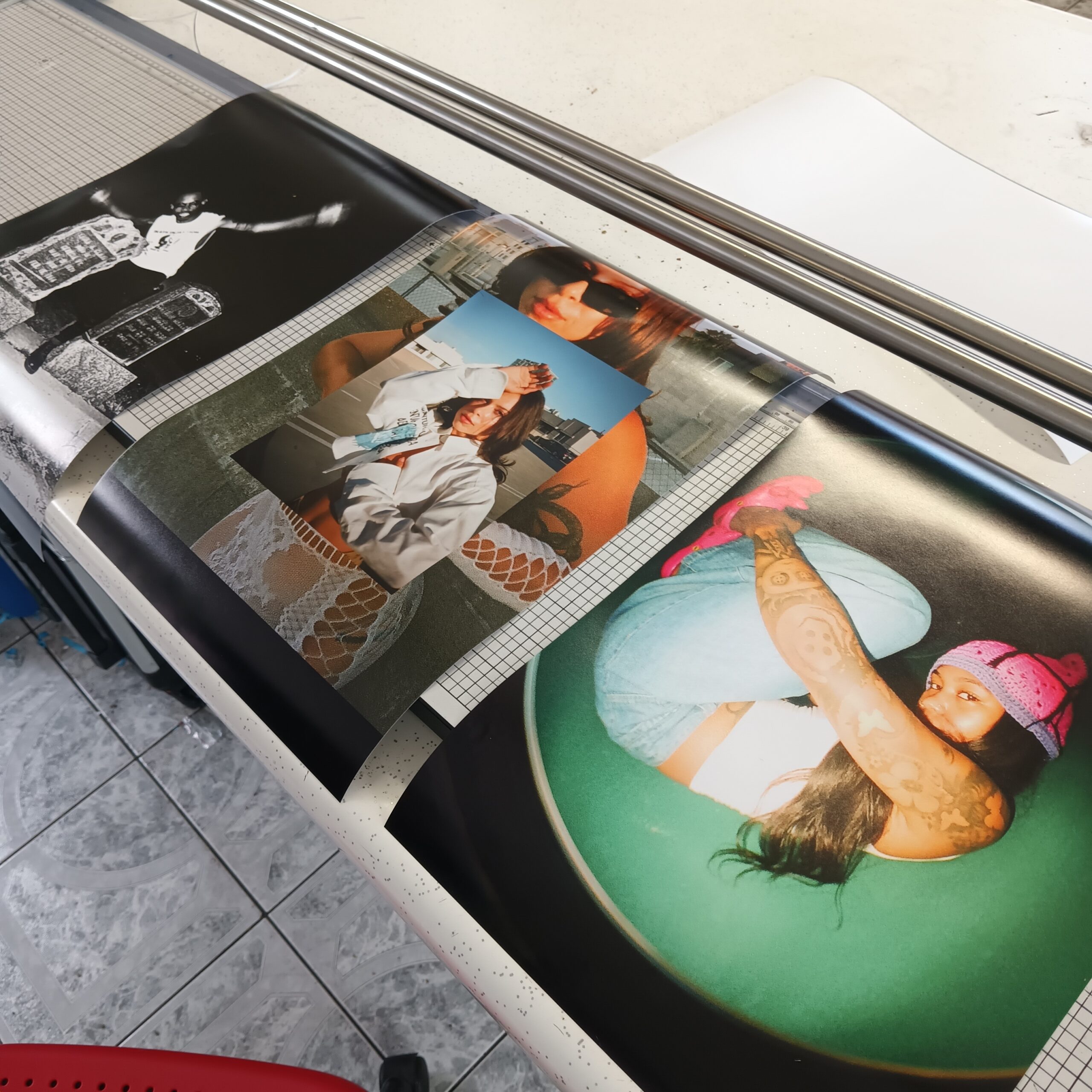
In the world of art creation, immense passion is poured into the selection of a canvas, the weight of a paper, or the vibrancy of a pigment. Yet, when it comes to translating that original work into a print, many artists reluctantly relegate materials to an afterthought, a mere technicality. This, gallerists and seasoned printmakers will tell you, is a critical misstep. The substrates and inks you choose are not just a final step; they are an integral part of the artwork’s soul, its longevity, and its reception in the serious world of galleries and collections.
Consider the term gicle. Once a buzzy marketing word, it has evolved into a specific standard that signifies quality. A true gicle print is not simply an inkjet output. It is produced on professional-grade, large-format printers using archival, pigment-based inks not dye-based. This distinction is crucial. Pigment inks are composed of tiny, encapsulated particles that sit on the surface of the paper, offering superior lightfastness. They resist fading for decades, even centuries, when paired with the correct paper. Dye inks, while often vibrant initially, are more susceptible to fading from UV exposure. When you offer a gicle, you are making a promise of permanence.
This promise directly influences appraisal and value. An appraiser or a discerning collector doesn’t just evaluate the image; they evaluate the object. They will examine the paper’s fiber content, its weight, and its certification. Is it a lush, 100% cotton rag paper with a neutral pH, or is it an acidic, wood-pulp sheet that will yellow and become brittle within years? The materials alone constitute a significant portion of the print’s price and for good reason. Archival materials cost more. They are the foundation of the artwork’s future. A print on acidic paper is inherently ephemeral, a short-term decoration. A print on museum-quality, acid-free (or lignin-free) paper is a legacy piece, crafted to endure. This longevity is a key component of its financial and artistic valuation.
The conversation between acidic and non-acidic materials is a silent one, but it screams to those in the know. Acidic papers and mats are the silent killers of art. Over time, they cause discoloration, brittleness, and irreversible damage. The professional art world operates on a foundation of preservation. By using acid-free, archival materials throughout from the printing paper to the mounting board you are speaking the language of conservation. You are demonstrating that you respect your own work enough to ensure its survival, and by extension, you respect the investment of the collector or institution that acquires it.
This is where materials transcend chemistry and become a language of professionalism. Presenting your work to a gallery director or preparing for an exhibition is akin to a job interview. Your portfolio is your resume. Flimsy, fading prints on mediocre paper communicate a hobbyist’s attitude. They suggest a lack of understanding of the market and of art history’s long arc. Conversely, a stunning image rendered on exquisite, heavyweight paper, with crisp, enduring pigment inks, tells a different story. It says you are serious. It shows you understand the ecosystem you wish to enter one where curators, collectors, and critics are acutely aware of the physicality of the art object.
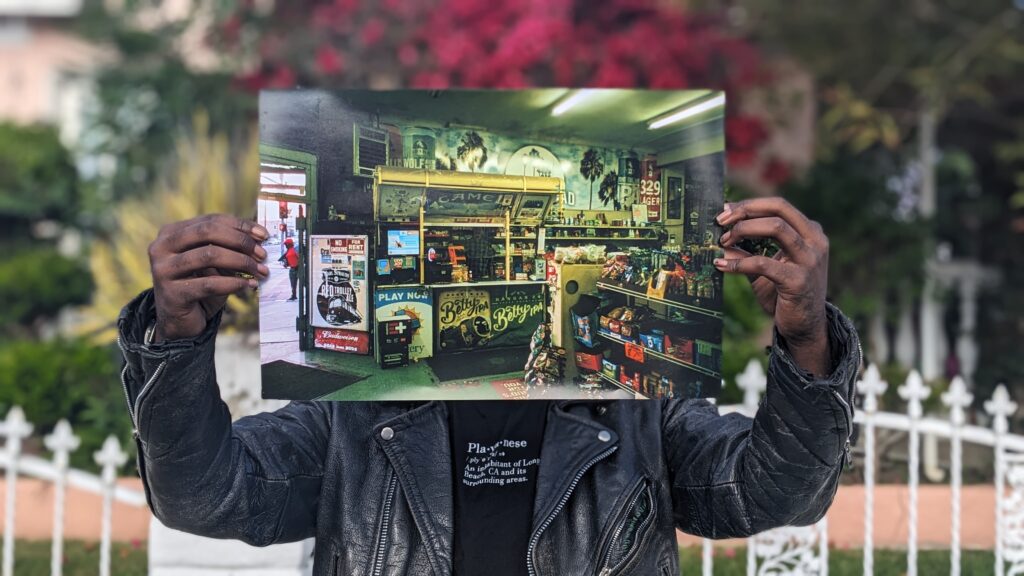
Galleries are not just selling images; they are selling cultural artifacts. The tactile experience, the way light catches the surface of a fine art paper, the perceived heft and substance all of these are part of the artwork’s narrative. A professionally produced print bridges the gap between the unique original and the limited edition, allowing multiples to retain a sense of preciousness and integrity.
In the end, the materials you select for your prints are a direct reflection of your artistic ethos. They are the final, collaborative partner in your creative process, holding the color and the emotion you worked so hard to create. Investing in the finest materials you can afford is not an extravagance; it is a commitment to your vision’s future. It is the silent, powerful testament that allows your work to step confidently off your studio wall and into the lasting light of a gallery, a collection, and ultimately, art history.